
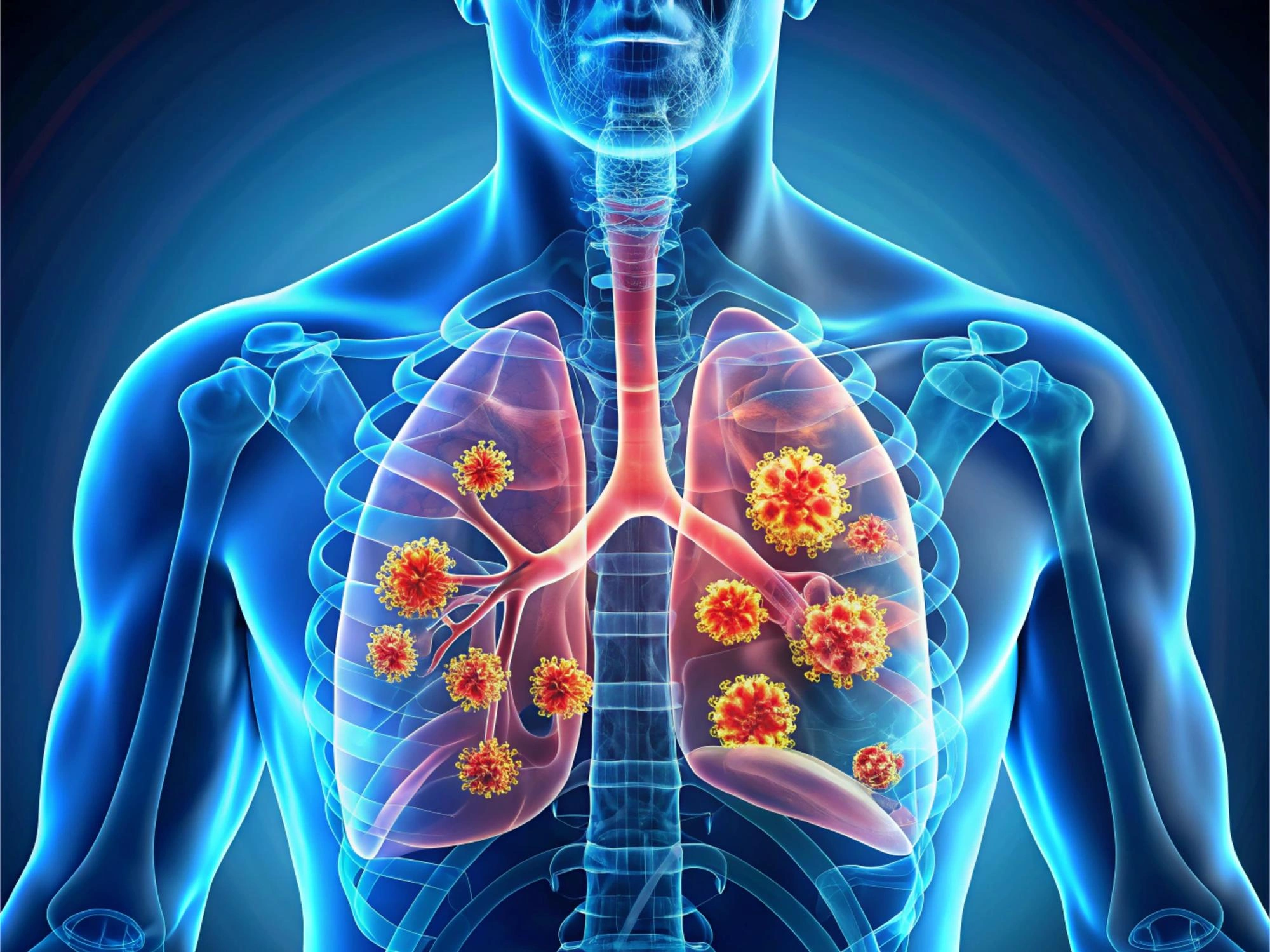
Catching a seasonal cold or a mild bout of bronchitis once in a while is a common part of life. Most adults recover from typical respiratory infections within a week or two with adequate rest, hydration, and standard medical care. However, when chest infections become a routine occurrence rather than an occasional setback, it signals a deeper medical concern that requires specialized attention.
Recurring respiratory issues can gradually weaken lung tissue, impair oxygen delivery, and severely diminish your overall quality of life. Understanding why these infections keep returning, and knowing when to transition from basic symptom relief to the specialized pulmonary care a chest specialist in Chennai provides, is vital for protecting your long-term health.
Understanding the Mechanics of Recurring Infections
A recurring chest infection is generally defined as experiencing multiple episodes of lower respiratory tract inflammation, such as bronchitis or pneumonia, within a single year. Rather than recovering completely between episodes, affected individuals often notice that lingering coughs, chest heaviness, or fatigue never fully clear up.
When lower airways remain in a constant state of irritation, the natural clearance mechanisms of the lungs fail to function properly. Mucus traps bacteria and environmental particles, creating an ideal breeding ground for repeated infections that are increasingly difficult to clear with standard antibiotics alone.
The Physiological Impact of Persistent Inflammation
Every time a chest infection takes root in the lungs, the delicate lining of the bronchial tubes undergoes inflammatory stress. Over time, repeated inflammation can cause structural modifications to the lung tissue itself.
Persistent infection can lead to scarring, permanent widening of the airways, or excessive mucus production. When the lungs are structurally altered, their natural self-cleaning system becomes compromised, often surfacing as chronic cough and breathlessness that lingers long after the original infection has cleared. This creates a self-perpetuating cycle where damaged airways invite new infections, which in turn cause further structural damage.
Primary Medical Triggers Behind Chronic Illness
Frequent chest infections are rarely isolated events; they are typically symptoms of an unresolved underlying condition affecting the respiratory system.
Adult-Onset Asthma and Airway Hyper-Reactivity
Undiagnosed or poorly controlled asthma frequently disguises itself as recurrent bronchitis. When airways are hypersensitive, minor viral infections or environmental triggers provoke intense swelling and excess mucus production. This creates a stagnant environment where secondary bacterial infections easily develop.
Chronic Obstructive Pulmonary Disease Complications
Conditions like chronic bronchitis and emphysema damage the air sacs and bronchial tubes, severely weakening the lungs' defense mechanisms. Because early signs of COPD are so easily mistaken for a lingering cold, individuals with chronic obstructive disease frequently suffer acute flare-ups triggered by minor environmental changes or mild viral exposure before the underlying condition is ever identified.
Bronchiectasis and Permanent Structural Changes
Bronchiectasis is a condition where the bronchial tubes become permanently widened and flabby due to past infections or chronic inflammation. These widened pockets collect pools of thick mucus that cannot be coughed up easily, leading to frequent, severe chest infections accompanied by heavy sputum production.
Gastroesophageal Reflux and Silent Micro-Aspiration
Digestive issues can surprisingly impact lung health. Severe acid reflux can allow microscopic droplets of stomach acid to travel up the esophagus and trickle into the windpipe, particularly during sleep. This process, known as micro-aspiration, directly irritates lung tissue and triggers recurrent pulmonary infections.
Critical Red Flags That Demand Specialist Care
While a primary care doctor handles initial infection management, certain warning signs indicate that a pulmonologist should evaluate your respiratory system immediately.
Frequent Antibiotic Use with Short-Lived Relief
If you find yourself requiring three or more courses of antibiotics in a single year just to keep chest symptoms at bay, your treatment strategy needs re-evaluation — ideally through a thorough breathing problem evaluation rather than another round of the same prescription. Relying on repeated short-term antibiotic treatments without addressing the root cause risks antibiotic resistance and hides structural lung problems.
Persistent Cough Lasting Over Eight Weeks
A cough that lingers long after other cold symptoms have resolved is a clear indicator of lingering airway inflammation or structural disease. Coughing up discolored, thick, or blood-streaked mucus should always be evaluated promptly by a lung specialist.
Unexplained Shortness of Breath During Daily Tasks
Feeling winded while performing routine tasks, such as climbing a single flight of stairs or walking short distances, suggests that your lung capacity is compromised. Progressive breathlessness is not a normal part of aging or recovery; it requires targeted pulmonary testing.
Diagnostic Excellence During a Pulmonology Consultation
Consulting a pulmonologist opens the door to advanced diagnostic tools that go far beyond standard physical exams. A specialist looks at the structural integrity, airflow efficiency, and overall functioning of your respiratory system.
Comprehensive Pulmonary Function Testing
Spirometry and advanced lung volume tests measure exactly how much air your lungs can hold and how fast you can exhale. These non-invasive tests help differentiate between obstructive patterns, such as asthma or chronic bronchitis, and restrictive lung issues — the same testing a COPD specialist in Chennai relies on to confirm a diagnosis and stage disease severity.
High-Resolution Digital Imaging Studies
While standard chest X-rays show major lung issues, high-resolution computed tomography scans provide detailed, cross-sectional views of the lung tissue. This advanced imaging detects early bronchiectasis, subtle tissue scarring, and deep-seated airway blockages that ordinary X-rays miss.
Sputum Culture and Targeted Pathogen Isolation
Analyzing cough secretions identifies the specific bacteria or fungi colonizing your airways. Rather than prescribing broad-spectrum antibiotics, targeted therapy ensures that the exact microorganism causing your recurrent infections is eliminated effectively.
Long-Term Management Protocols for Recovery
Overcoming recurring chest infections involves a proactive, multi-step management plan designed to restore lung health and prevent future flare-ups.
Utilizing prescribed daily preventer inhalers to calm chronic airway swelling.
Practicing specialized chest physiotherapy techniques to help clear trapped mucus.
Identifying and removing personal environmental triggers, such as household mold, tobacco smoke, or chemical vapors.
Staying current with recommended respiratory vaccinations to protect against common viral and bacterial threats.
Engaging in guided pulmonary rehabilitation exercises to rebuild overall stamina and respiratory muscle strength.
Advanced Care at Asthma Studio
Recurring chest infections require focused diagnostic precision and personalized care before they cause lasting damage to your lungs. As the best pulmonologist in Chennai, Asthma Studio specializes in advanced pulmonary evaluations, thorough root-cause diagnosis, and tailored treatment plans designed to protect your long-term breathing health. Reach out to Asthma Studio today to schedule your comprehensive consultation and regain confidence in every breath.