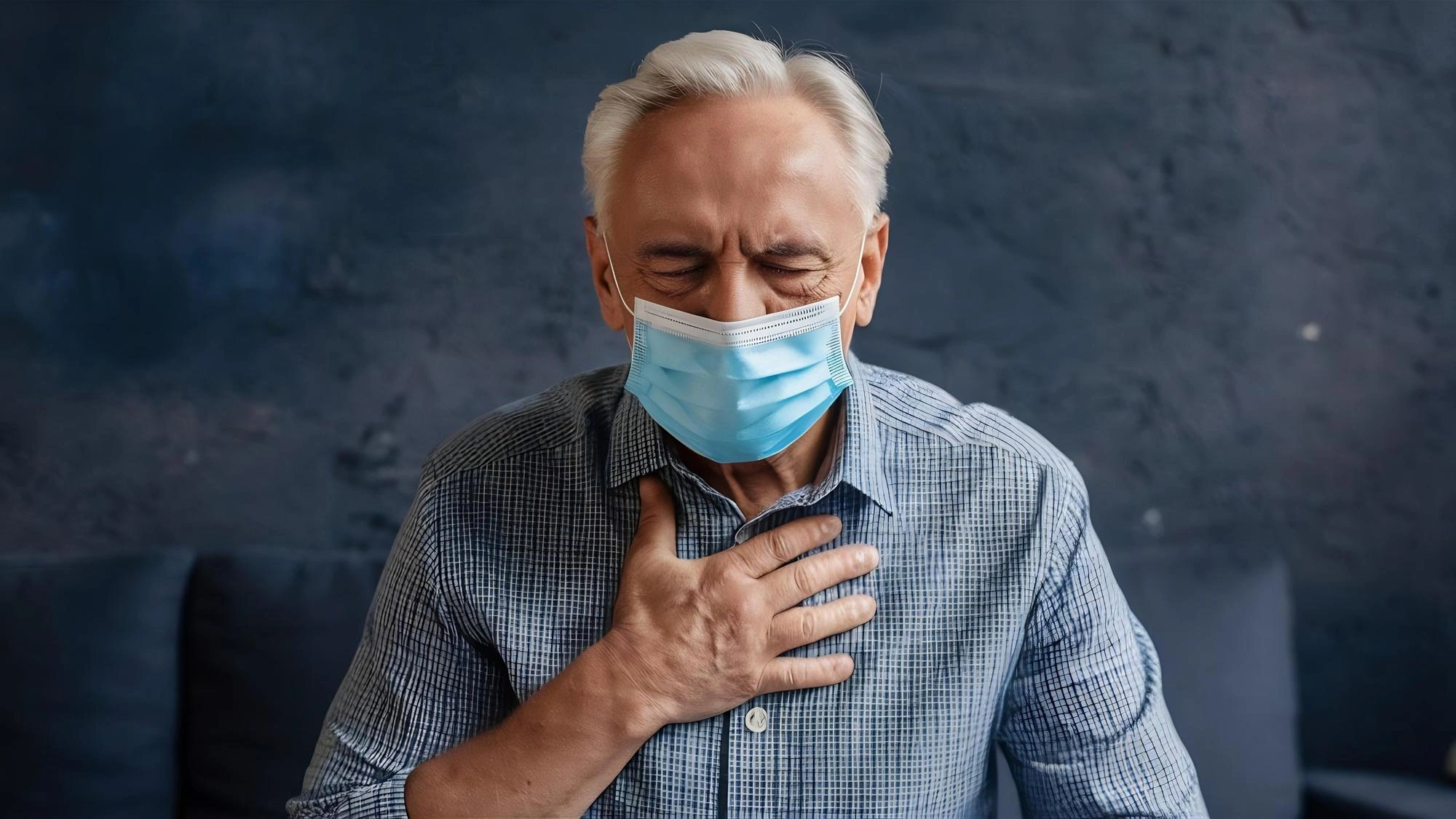
Breathing trouble does not begin suddenly for most people. It shows itself quietly, sometimes in ways that are easy to dismiss. A little cough that stays longer than expected. A breath that feels shorter on a day that is not particularly tiring. Many people brush these changes aside, assuming they are part of getting older or recovering from a cold.
The unfortunate truth is that these small changes often mark the early stages of Chronic Obstructive Pulmonary Disease. COPD has become one of the most common long-term lung conditions in the world. Health reports show that millions live with it, and many more remain undiagnosed simply because the early clues are subtle.
The lungs decline slowly. People learn to adjust their pace before they realise something is wrong. By the time they seek help, the disease has often moved further than they knew.
What COPD Really Means
COPD affects airflow within the lungs. The airways may be swollen or filled with mucus. The air sacs may lose their natural elasticity. As this continues, the lungs struggle to push out stale air, and fresh air cannot flow in easily.
Smoking is still the biggest cause, but it is not the only one. People exposed to dust, industrial fumes, household smoke, second-hand smoke, or high pollution for years can develop the condition even if they have never smoked. Some develop it earlier in life after repeated childhood infections. A small group develops COPD because of inherited factors.
Whatever the cause, the early phase carries signals that should not be overlooked.
The First Signs Most People Miss
A cough that doesn’t leave
A cough that lingers is usually the first sign. It might begin lightly — a cough while waking up in the morning or after light physical activity. People think it is a residual infection or something seasonal. In COPD, the cough stays. It becomes part of the daily routine. You may not feel sick. You may not have a fever. Yet, the cough refuses to go.
More phlegm than usual
The lungs begin producing more mucus as a protective reaction. The mucus may be clear and not look worrying. That’s why many ignore it. You may notice yourself clearing your throat more often or needing to spit small amounts of phlegm in the morning. These small habits become normal without you realising they are early signs.
Breath that feels shorter than before
Most people notice breathlessness during activities they earlier handled without any trouble. Carrying a bag upstairs. Walking a little faster. Sweeping the floor. It’s not severe breathlessness, but a sense that the body is working harder than it should.
This is often the moment when people assume they are “out of shape”. In reality, it may be the lungs signalling early obstruction.
Chest tightness that feels strange
COPD-related tightness feels different from pain. It feels like weight resting on the chest or difficulty expanding the lungs fully. Some describe it as “incomplete breathing”. Air gets trapped inside, so breathing out takes longer than breathing in.
Frequent chest infections
COPD affects the lungs’ ability to clear mucus effectively. Because of this, infections occur more often. A mild cold can turn into a prolonged cough. A minor flu can take weeks to resolve. Any season change may bring an episode of chest congestion.
Tiredness that doesn’t match your effort
When the lungs struggle, the body uses more energy simply for breathing. Simple tasks begin to feel draining. You might feel tired earlier in the day. You might wake up feeling unrested. This is not general fatigue; it is the body working harder due to reduced oxygen flow.
A soft wheeze
Wheezing does not always sound loud. Sometimes it is a faint whistle heard during sleep or early mornings. People often ignore it because it appears only occasionally. But even mild wheezing is an indication that the airways have begun narrowing.
Why People Delay Seeking Help
COPD starts quietly. Unlike asthma, which often presents with sudden attacks, COPD creeps into life slowly. People adjust their routine without realising it. They walk slower. They avoid stairs. They split tasks into smaller parts. They blame their age or weight.
The problem is that COPD continues to progress while these small adjustments happen. By the time breathlessness becomes obvious, significant damage may have already taken place.
The good news is that early diagnosis changes everything. People diagnosed early have a far better chance of slowing the disease and protecting lung function for years.
When You Should See a Doctor
If any of these signs have become common, it is time for a medical evaluation.
You should not wait if:
- A cough has stayed longer than a few weeks
- Breathlessness appears earlier than it used to
- You experience chest tightness without exertion
- Mucus production has increased for no clear reason
- Infections seem to take longer to heal
- You have occupational exposure to dust or fumes
- You smoke or have smoked in the past
A simple lung function test can detect early airflow obstruction. Early treatment reduces symptoms, improves comfort, and helps maintain independence in day-to-day activities.
Living Better With Early COPD
A diagnosis is not the end of normal life. With the right guidance, many people maintain long-term stability. Inhalers reduce airway swelling and open the passages. Breathing exercises improve lung efficiency. Avoiding smoke and pollution prevents flare-ups.
Small lifestyle adjustments — steady walking, a balanced diet, proper hydration, vaccinations — make a noticeable difference. The key is consistency and early action.
Conclusion
COPD does not begin loudly. It begins with a cough that stays, breath that shortens, or fatigue that seems unusual. Recognising these early warnings is the first step in protecting your lungs. Ignoring them only gives the disease more time to grow quietly.
If you have noticed any of these changes or feel your breathing is not what it used to be, book an evaluation at Asthma Studio. Early care gives your lungs a stronger chance to stay healthy, stable, and productive for years ahead.