Allergy
Chennai's Trusted Allergy Specialist for Accurate Diagnosis & Lasting Relief
Persistent sneezing, unexplained skin eruptions, relentless itching — these are not inconveniences to endure; they are signals your immune system demands expert attention. At our clinic in Chennai, Dr. V. Devanathan, MBBS, MD, delivers evidence-based allergy treatment for allergic rhinitis, food allergies, skin allergies, drug reactions, and complex chronic allergic conditions. As a seasoned allergy doctor in Chennai and a recognised allergist in Chennai, Dr. Devanathan combines advanced diagnostic precision with personalised therapeutic strategies — so you receive not just symptom relief, but a definitive, lasting resolution.
What Is an Allergy & What Causes It?
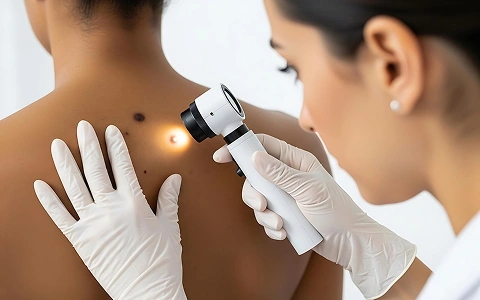
An allergy is a dysregulated immune response in which the body identifies an ordinarily harmless substance — a so-called allergen — as a threat, mounting a disproportionate defensive reaction. This hypersensitive immune cascade releases histamines and inflammatory mediators that produce the symptoms patients recognise: sneezing, rashes, swelling, breathlessness, or gastrointestinal distress.
Allergy treatment in Chennai has evolved considerably, yet the root trigger categories remain consistent. The principal types of allergies include:

Respiratory allergies
triggered by airborne particles such as pollen, dust mites, and mould spores

Skin allergies
presenting as eczema, contact dermatitis, or chronic urticaria

Food allergies
caused by immune reactions to proteins in nuts, shellfish, dairy, wheat, and other dietary antigens

Drug allergies
adverse immune responses to pharmaceutical agents, most commonly antibiotics and NSAIDs

Insect sting allergies
severe or anaphylactic reactions following bee, wasp, or fire ant stings
The underlying cause in every case is the same: an immune system that misidentifies benign environmental or dietary antigens — including pet dander, latex, or specific food proteins — as dangerous invaders and activates an inflammatory response that is both unnecessary and, at times, life-threatening.
When Should You See an Allergy Doctor in Chennai?
If any of the following symptoms resonate with your experience, a consultation with an allergy specialist is not merely advisable — it is clinically prudent:
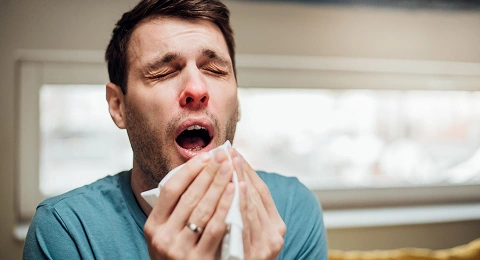
Persistent Sneezing or Runny Nose
Nasal symptoms that recur beyond two weeks — especially without a cold or viral aetiology — strongly suggest allergic rhinitis or a concurrent sinopulmonary hypersensitivity requiring structured allergy evaluation.
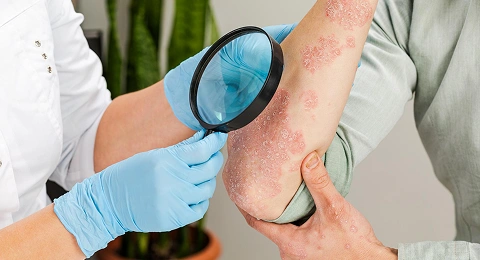
Skin Rashes or Unexplained Hives
Sudden or recurring eruptions of erythematous wheals, widespread urticaria, or eczematous patches — particularly those resistant to over-the-counter antihistamines — warrant allergen-specific diagnostic testing to identify the immunological trigger.

Breathing Difficulty or Wheezing
Episodes of bronchospasm, audible wheezing, or unexplained breathlessness — whether exertional or nocturnal — may indicate allergic asthma or hypersensitivity pneumonitis requiring immediate specialist assessment.
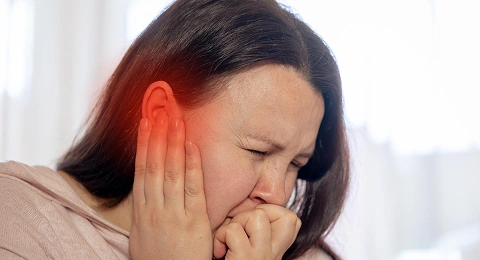
Recurring Sinus or Ear Infections
Chronic sinusitis or recurrent otitis media are frequently driven by an underlying allergic inflammatory process. Without addressing the immunological root cause, antibiotic cycles alone provide only temporary relief.

Suspected Food or Drug Reactions
Gastrointestinal distress, oropharyngeal swelling, or systemic reactions following ingestion of specific foods or medications should be formally investigated through structured IgE testing and oral challenge protocols.
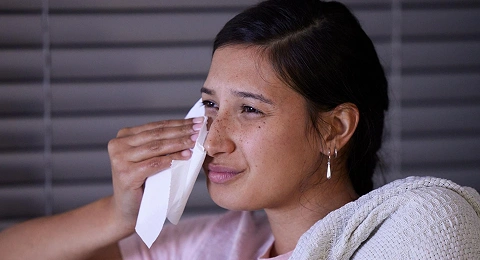
Chronic Itchy or Watery Eyes
Persistent ocular pruritus, bilateral lacrimation, or conjunctival erythema are hallmark features of allergic conjunctivitis — a condition that frequently coexists with allergic rhinitis and responds well to targeted immunological intervention.
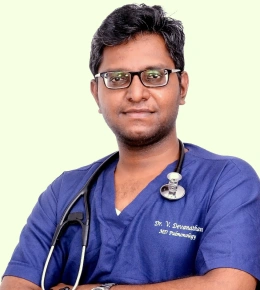
Meet Our Allergy Specialist: Dr. V. Devanathan, MBBS, MD – Pulmonologist
With over a decade of dedicated clinical practice in respiratory and allergic medicine, Dr. V. Devanathan brings both academic rigour and patient-centred empathy to every consultation. His philosophy is clear: accurate diagnosis is the foundation of effective, enduring allergy care.
As one of Chennai's most respected allergy specialist doctors, Dr. Devanathan's clinical scope encompasses:
- Allergic rhinitis & sinusitis — comprehensive evaluation and stepwise medical management
- Food & drug allergy testing — structured diagnostic protocols including IgE assays and supervised challenge tests
- Skin allergy & eczema management — evidence-based treatment of atopic dermatitis, contact dermatitis, and chronic urticaria
- Immunotherapy for chronic allergies — subcutaneous and sublingual desensitisation programmes for long-term remission
Trust Credentials:
- 12+ years of overall clinical experience; 6+ years as a specialist in pulmonology and allergy
- Assistant Professor, Department of Pulmonology, Stanley Medical College & GHTM, Tambaram
- Graduated from the prestigious Stanley Medical College, Chennai
- Advanced training: Clinical HIV Management — University of Washington; CME programmes — Harvard Medical School
- Professional memberships: American Thoracic Society (ATS), European Respiratory Society (ERS), Indian Chest Society (ICS), Indian Medical Association (IMA)
- Active researcher: multiple papers presented at state and national-level conferences
Allergies We Diagnose & Treat
Our clinic offers comprehensive diagnosis and management for the full spectrum of allergic and immune-mediated conditions, tailored to your unique clinical profile.
Advanced Allergy Testing & Treatment
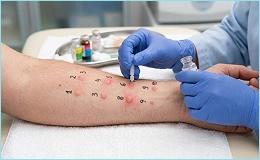
Skin Prick Test
A precisely calibrated, minimally invasive procedure in which minute quantities of standardised allergen extracts are introduced intradermally to provoke a localised immune response. Results are available within 20 minutes, enabling the allergy specialist in Chennai to identify your specific sensitising agents with clinical accuracy — forming the cornerstone of a targeted treatment strategy.
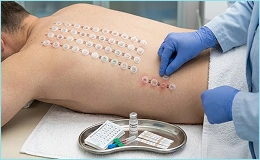
Patch Test
Designed specifically for the detection of Type IV delayed hypersensitivity reactions, the patch test applies to a panel of common contact allergens to the skin under occlusion for 48 hours. This investigation is the gold standard for diagnosing allergic contact dermatitis, identifying materials — metals, cosmetics, preservatives, industrial chemicals — responsible for persistent eczematous skin conditions. /p>
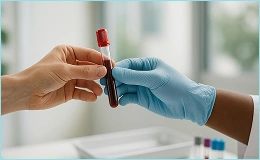
Specific IgE Blood Test
A quantitative immunoassay that measures serum immunoglobulin E levels directed against specific allergens — food proteins, environmental aeroallergens, occupational sensitisers, and pharmaceutical antigens. This test is particularly valuable when skin testing is contraindicated, providing objective, reproducible data to confirm suspected sensitivities and guide personalised allergy treatment in Chennai.

Allergen Immunotherapy
The only disease-modifying intervention in allergic medicine, immunotherapy involves the administration of incrementally escalating allergen doses — either via subcutaneous injection or sublingual drops — to recalibrate the immune response at a fundamental level. Over a structured course of treatment, patients develop immunological tolerance, achieving sustained, long-term allergy relief that extends well beyond the cessation of therapy.
Why Families Trust Us for Allergy Treatment in Chennai
Expertise in Complex, Multi-Trigger Allergies
Many patients arrive after years of misdiagnosis or inadequate relief. Dr. Devanathan's deep clinical acuity enables precise differentiation between overlapping allergic conditions and identification of multiple concurrent sensitivities — ensuring that no trigger is overlooked.
Personalised Treatment Plans
No two immune systems respond identically. Every treatment protocol is architectured around your individual allergen profile, symptom severity, occupational exposure, and lifestyle — delivering therapeutic strategies that are as unique as the patient receiving them.
Advanced Allergy Testing with Diagnostic Precision
Our clinic deploys internationally validated diagnostic tools — including skin prick testing, specific IgE assays, and patch testing — to ensure that every treatment decision rests on objective, reproducible clinical evidence rather than empirical assumption.
Patient-Focused Care That Addresses Root Causes
Suppressing symptoms without identifying their origin is not medicine — it is management. Our care philosophy prioritises root-cause resolution: understanding the immunological mechanism driving your condition and designing interventions that produce meaningful, durable improvement in your quality of life.
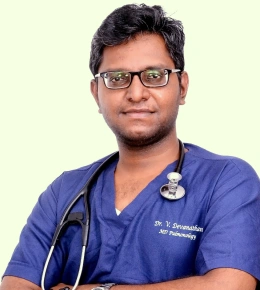
Medically Reviewed by
Dr. V. Devanathan, MBBS, MD – Pulmonologist
12+ Years of Experience in pulmonology and respiratory medicine