
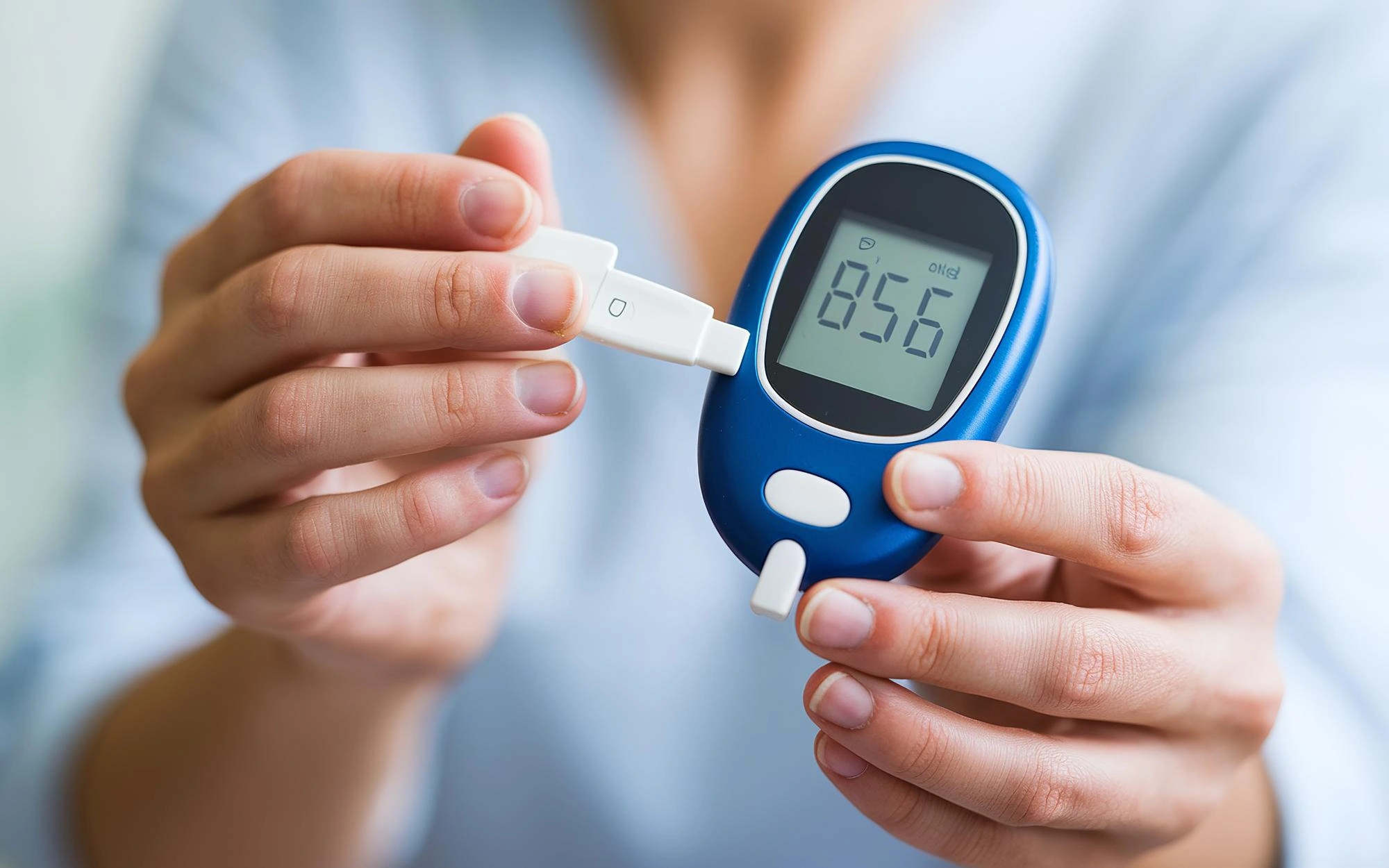
Prediabetes has become one of those conditions that hides in plain sight. Many people go years without realising their blood sugar levels are climbing. They feel “mostly fine”, maybe a little tired, maybe a little off on some days. Nothing dramatic. Nothing that forces them to see a doctor. This quiet progression is the reason so many eventually end up with full diabetes before they even knew they were at risk.
Health organisations estimate that a huge portion of adults who have prediabetes don’t know it. That is the worrying part. The body does give signals, but they are subtle. Easy to blame on lifestyle, weather, stress, long working hours, poor sleep, or simply the pace of everyday life. Prediabetes sits in the background while life continues at its usual speed.
What Happens Inside the Body at This Stage
Prediabetes starts when the body stops using insulin properly. It is not a sudden change. It develops slowly because the body tries to compensate. The pancreas works harder. Cells resist insulin more. Blood sugar rises slightly, then a little more.
People often don’t feel anything remarkable during this period. The body adjusts until it cannot.
By the time noticeable symptoms appear, the imbalance may have been developing for years. The small signs are the ones that matter.
The Overlooked Symptoms
Rather than dramatic signals, prediabetes shows up through everyday discomforts that people rarely link to blood sugar. Here are some of the signs that tend to slip by unnoticed.
A tiredness that never really leaves
Not exhaustion. Not burnout. Just a steady fatigue that follows you through the day. People often blame it on busy routines or lack of rest. But when cells don’t receive enough glucose, the whole body feels low on energy.
The feeling is vague, which is why it is often ignored.
Sudden hunger after a full meal
One of the stranger effects of rising sugar levels is feeling hungry even when you’ve eaten well. The food is in the stomach, yet the cells don’t get the energy they need. The brain interprets this as hunger.
This is why some people feel like snacking shortly after meals, especially craving sweets or carbs.
Weight creeping up around the waist
Weight gain near the abdomen is tied closely to insulin resistance. It comes slowly. Some don’t gain weight overall; they simply notice the waistline growing tighter.
Since many factors cause weight gain, very few think of prediabetes first.
Thirst that shows up more often
People assume they are dehydrated or blame the weather. But increased thirst is one of the body’s ways of managing rising sugar. The kidneys work harder to flush out excess glucose. The more sugar the kidneys filter, the more water the body loses.
Using the restroom more than usual
This isn’t always urgent or dramatic. It can simply be more frequent than your normal pattern. Many associate this with drinking more water, not realising the cycle is connected to high blood sugar.
Vision blurring now and then
Temporary blurriness is easy to overlook. People blame screens or late nights. But fluctuating blood sugar affects the lens inside the eye, making focus harder.
These episodes might come and go, but they are strong early indicators.
Cuts or wounds that heal slowly
Prediabetes affects circulation long before diabetes is diagnosed. When blood flow slows, healing takes longer. Even a small scratch or insect bite may hang around for days instead of disappearing quickly.
Patches of dark skin
A common but widely overlooked sign. Darkened skin folds—often around the neck, elbows or underarms—may signal insulin resistance. Since these patches do not hurt or itch, people ignore them or assume it is pigmentation.
Mild tingling in hands or feet
Nerve irritation can begin earlier than most people expect. It may feel like pins and needles lasting a few seconds. It may feel like light numbness.
People dismiss this as poor posture or long sitting hours.
Why These Signs Get Missed
The problem with prediabetes is not the symptoms. The problem is how normal those symptoms appear. Tiredness. Thirst. Occasional blurry vision. Weight around the middle. None of these feel like illness. They feel like life.
This makes prediabetes a silent condition.
People also wait for “classic diabetes symptoms” before seeking help. Unfortunately, by the time symptoms become obvious, sugar levels may be significantly higher.
Who Should Be Extra Alert
Some people have a higher chance of developing prediabetes. For them, ignoring early symptoms becomes riskier.
When Should You See a Doctor
Those At Higher Risk Include:
- anyone with a parent or sibling who has diabetes
- those who gained weight around the abdomen
- individuals with a sedentary lifestyle
- women who had gestational diabetes
- people above thirty five
- individuals with high blood pressure or high cholesterol
For these groups, even mild symptoms deserve attention.
You should consider testing if:
- your energy levels feel consistently low
- your thirst pattern has changed
- your hunger feels unusual
- you are waking up to urinate at night
- your vision blurs occasionally
- your waistline is expanding without clear reason
- your wounds heal slowly
- you have family history of diabetes
A simple blood test can confirm prediabetes. Early testing prevents long-term complications and gives you time to reverse the condition through diet changes, activity, sleep correction, and medical guidance.
Conclusion
Prediabetes is silent, slow and easy to miss. The body leaves clues on the way, but they are scattered and subtle. Paying attention to them can make the difference between a reversible condition and a lifelong diagnosis.
If any of the symptoms sound familiar or you have noticed changes in your energy, hunger, vision or healing, schedule a health evaluation at Asthma Studio.
Early detection gives you the best chance to turn things around and protect your long-term health.