
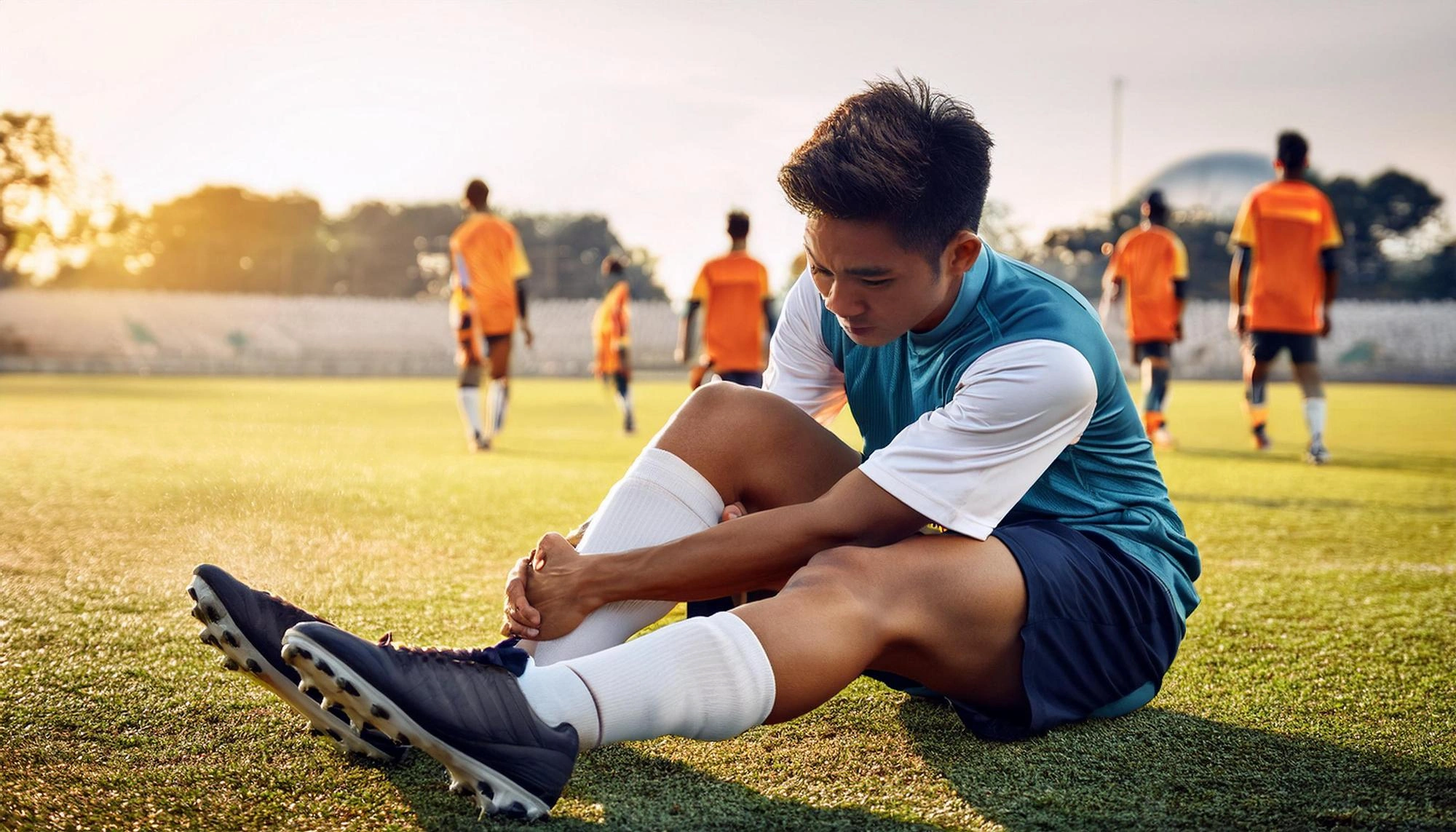
Sports injuries involving ligaments - such as the Anterior Cruciate Ligament (ACL) or complex ankle strains - are among the most significant setbacks for any athlete. At Asthma Studio, we recognize that physical health is an integrated system; respiratory efficiency and musculoskeletal stability must work in tandem for peak performance. A safe return to activity is prioritized over a fast return to prevent chronic instability and ensure the longevity of your athletic career.
Understanding Ligament Injuries
Connecting one bone to another, ligaments form strong, thread-like tissues essential for joint stability. While muscles receive ample blood, these structures get less circulation. Their healing takes longer due to restricted flow within them. Stability often depends on such resilient yet poorly supplied fibers. Most injuries receive a classification based on how serious they are.
A Grade I sprain means just slight stretching has happened. Still, the ligament holds together fully. Usually, pain appears mild and swelling stays minimal. Recovery tends to happen fast in these cases with little downtime for daily movement.
Grade II injuries involve pain that shows up clearly and movement that feels shaky. This injury splits the tissue without fully separating it. Instability follows because support weakens inside the joint. Healing takes longer than minor damage but not as long as complete rupture.
Grade III involves a full rupture, usually needing surgery for recovery. Function returns slowly once the procedure takes place.
The Three Stages of Getting Back
Healing progresses through clear biological stages. Missing even one step raises chances for long-term joint problems or new damage such as torn cartilage. What comes next depends on how well each stage is respected.
The Protection and Inflammation Stage
Right after harm occurs, limiting puffiness matters most. Protection means keeping damaged areas safe. Cooling helps calm inflammation, while stiff wraps can reduce fluid buildup. Raising the limb supports blood return. This method—called PRICE—is widely trusted early on. Patients who cross borders for surgery must watch their cuts closely. Supports or walking aids shield fresh repairs. Healing begins when outside forces stay away.
The Repair and Strengthening Phase
After discomfort begins to fade, attention turns toward improving movement and gradually increasing strength. Since joints rely on ligaments for stability, nearby muscles—such as those at the front and back of the thigh in a knee issue—need conditioning so stress on healing tissue reduces. Recovery gains momentum when these muscles adapt through steady effort. This step builds body awareness, helping the mind track where the joint sits at any moment. Without this skill, the limb might suddenly buckle when least expected.
The Functional and Sports Specific Phase
Getting back to play after rehab means facing one last challenge: moving from controlled workouts to real-game actions. Sudden leaps, quick turns, and spinning on a dime become key. Instead of guessing readiness, our team relies on precise performance checks like timed hops and sharp-direction runs. These methods show whether an injured joint can handle intense physical stress without risk.
Safe Return to Play Guidelines
What matters most is progress, not how much time has passed. Recovery steps guide the timeline instead of days marked on a schedule. Movement should match the healthy side when the damaged joint bends fully. When tested, motion must equal that of the unaffected area. Strength symmetry also matters; the hurt leg ought to reach 90 percent of the good one’s power.
Without pain, there should be no soreness while performing drills tied to a specific sport. Movement must feel smooth, even under load, and discomfort should stay away throughout each session. Confidence in the joint's stability matters most for the athlete. When fear of getting hurt again lingers, it shapes both how well they perform and how safely they move. A steady mind supports steady movement.
The Ongoing Practice of Bone and Joint Treatment Worldwide
Coming home after having a ligament repair or biological procedure overseas can be tricky. Right when you land, support often fades—except with Asthma Studio. We step in quietly, sharing surgery details and recovery steps directly with your nearby therapist. This link keeps care steady without extra effort on your part. A smooth handoff emerges, built on clinical communication. Wherever you go after surgery, digital tools keep your recovery visible to the doctors who operated. Because follow-ups happen online, their skill continues to support your comeback.
conclusion
Healing a torn ligament takes time—rushing rarely helps. When recovery follows the body’s actual pace, progress becomes clearer. A step-by-step rehab plan keeps goals within reach. Confidence returns when movement feels safe again. The aim isn’t only fixing tissue; it’s rebuilding daily life. Support from experts makes tough phases manageable. Sticking with each phase builds real strength. Movement regains rhythm after patience and effort. Resilience grows where care meets consistency.