
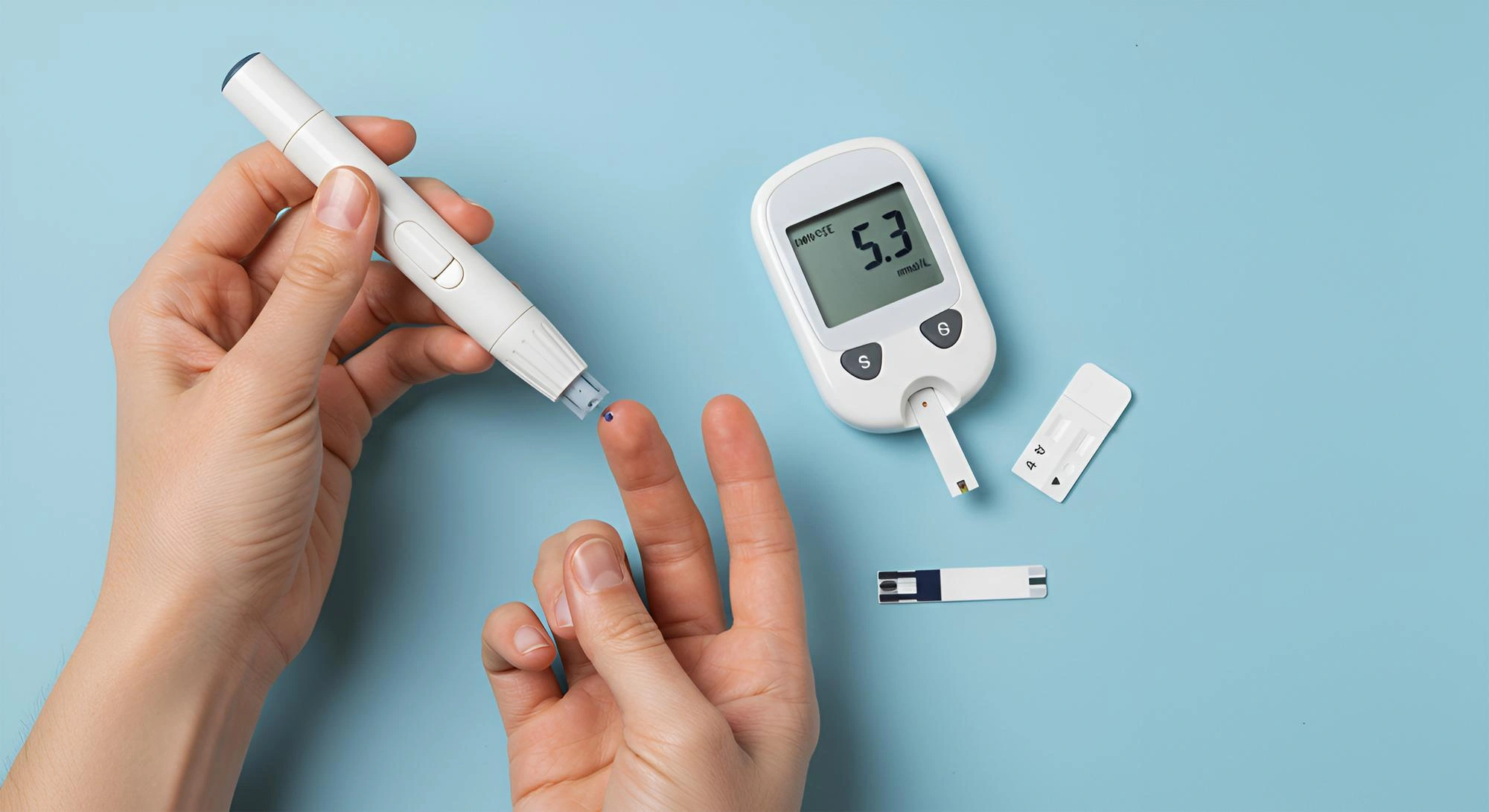
Managing metabolic health begins with understanding the numbers that define it. Blood sugar monitoring is not just a daily task for those with diabetes; it is a vital window into how your body processes energy. By tracking these levels, individuals can see the immediate impact of food, physical activity, and stress on their internal balance. This continuous feedback loop allows for precise adjustments that prevent long-term complications and support daily energy levels. Within the field of diabetology, these readings serve as the primary map for navigating a healthy life.
Glucose Levels and Their Role in Biology
Most cells rely on glucose for energy, yet safety depends on keeping levels stable. High readings over time may harm circulation and nerve pathways. On the flip side, when numbers drop sharply, people might feel dizzy or weak. What happens next? The brain struggles to work properly. Tracking these values helps avoid both extremes. Without steady oversight, small problems build into bigger ones. Smooth operation of bodily processes leans heavily on consistent balance. Extreme swings place stress where it does not belong. Stability means fewer disruptions down the line. Precision matters less than regularity in daily patterns.
Testing frequency differs
Checking blood sugar isn’t one-size-fits-all - it shifts based on individual needs and medical guidance. Some people gain useful insights from just a single daily test upon waking. Yet many, especially individuals on insulin or dealing with fluctuating symptoms, measure levels prior to eating, following movement, or late at night. Moments like these reveal how food or exertion affects glucose, shaping decisions that fit personal rhythms better than broad rules ever could.
When Tests Happen
Morning readings offer insight into overnight sugar control. Though often overlooked, these early measurements reflect bodily processes during sleep. After eating, blood sugar shifts become visible within ninety minutes or so. Because meals challenge metabolism differently, post-meal checks matter just as much. Movement changes glucose levels, which shows why pre- and post-workout numbers differ. While each moment tells part of the story, together they form a clearer picture of how fuel is processed.
The Evolution of Monitoring Technology
Now shifting away from finger pricks alone, people explore new tracking methods. Though standard meters still work well, devices called CGMs deliver updates frequently through the day. Worn on the body, these tools capture ongoing shifts instead of isolated readings. With live feedback, individuals notice changes in blood sugar as they happen. Early awareness means adjustments can begin even before numbers drift too high or low.
Spotting Repeating Signs and Causes
Spotting hidden triggers becomes possible when tracking happens regularly. A certain kind of pressure, missing rest, or even a snack thought harmless could push glucose higher than expected. Recording such details with each measurement builds something useful over time. Rather than wondering what caused fatigue, real data shows patterns clearly. Changes follow more easily once proof points to where adjustments matter most.
The Role of Professional Observation
Home tracking matters, yet gains strength through expert guidance. Not every detail shows up day to day - HbA1c results reveal patterns across twelve weeks instead. Seeing trends over time fills gaps left by morning or evening measurements alone. What happens between visits still counts, especially when reviewed alongside clinical evidence. Long-term success often depends on how well personal logs align with medical assessments.
Preventing Long-Term Complications
Watching things closely aims to stop problems harming the heart, kidneys, eyes, or feet. Staying in a good range most days cuts down danger sharply. Early signals show up through tracking, making tiny fixes now avoid big setbacks later. This kind of attention today builds steadier health years ahead. Independence in movement and well-being grows when patterns are noticed early.
The Link Between Blood Sugar Levels and Breathing
Rarely do people consider how balanced metabolism impacts organs like the lungs. When blood sugar rises and falls sharply, inflammation throughout the body can shift in unpredictable ways. That change might worsen long-term breathing issues over time. Stable glucose offers a quiet kind of strength - helping internal processes run without extra strain. A regulated metabolic state becomes an anchor, influencing recovery, resilience, even daily stamina.
Creating a Daily Habit That Lasts
At first, beginning regular checks might seem like too much - yet it settles into normalcy with days passing. Sticking with it matters far more than getting everything right every time. Should one measurement slip through, begin again when the next slot arrives on schedule. With each added entry, understanding grows, shaping how easily decisions about well-being are made. Slowly, digits shift meaning: less abstract marks, more levers that open space for steady momentum and room to breathe.
Learning Help Networks
Starting fresh each day means leaning on those who understand. Because real progress often comes from talking with peers, not just reading guidelines. When stories mix with advice from doctors, things start to click. Suddenly, numbers on a screen seem less confusing. Support turns overwhelming tasks into small steps. Most people find comfort in knowing they are not the only ones figuring it out. Help arrives in many forms - some expected, some surprising.
Conclusion
Handling a child’s or an adult's well-being works best when clinic decisions fit how families actually live day to day. At Asthma Studio, science guides practice—yet kindness shapes every interaction. Healing sticks better if strong medicine walks hand in hand with steady attention to individual needs, an approach that is central to our diabetology department. Clarity in diagnosis, backed by solid proof, forms the base of treatments offered here. Long-lasting progress grows from support that stays firm over time. Every step forward begins with clear talk and careful watching by our doctors, so parents and patients receive what they need to decide on care. Through each phase of healing, solid advice stays close at Asthma Studio, where skill shapes how families move toward better health.